Exploring the psychological triggers behind high-stakes gambling behavior
The Allure of Risk
High-stakes gambling captivates many individuals due to the thrill and excitement associated with risking substantial sums of money. This excitement can stem from various psychological triggers, such as the adrenaline rush that accompanies taking significant risks. When players place large bets, their bodies release dopamine, a neurotransmitter linked to pleasure and reward. This biochemical reaction creates a euphoric sensation, reinforcing the desire to continue gambling despite potential losses. As players search for a thrilling experience, they may come across platforms like Fortunica, which offers numerous games to satisfy their cravings.
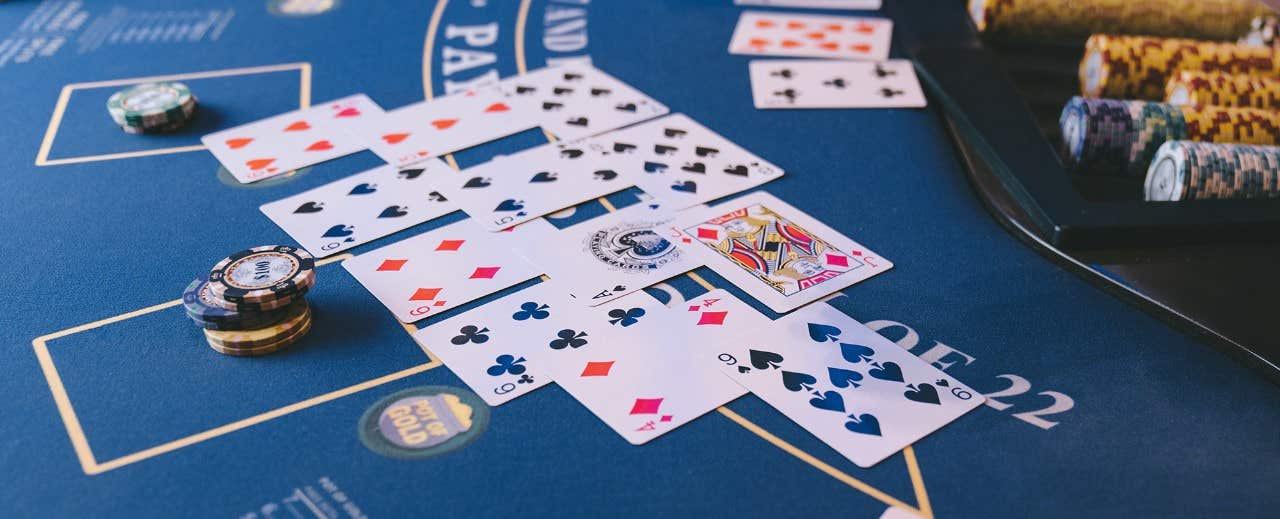
The allure of risk in gambling can also be attributed to the concept of loss aversion. Research suggests that people tend to prefer avoiding losses over acquiring equivalent gains. This means that the fear of losing a significant amount of money can drive individuals to gamble even more, seeking to recoup their losses. This behavior often leads to a vicious cycle where players find themselves increasingly drawn to high-stakes games in hopes of reclaiming what they lost.
Moreover, high-stakes gambling can serve as a form of escapism for some individuals. The immersive environment of a casino or online gaming platform allows players to momentarily detach from their everyday lives. This sense of escape, combined with the exhilarating rush of risk, can create a powerful attraction to gambling. Understanding these psychological triggers is vital for recognizing the factors that lead individuals toward high-stakes gambling behavior.
The Role of Cognitive Biases
Cognitive biases significantly influence gambling behavior, particularly in high-stakes scenarios. For instance, the gambler’s fallacy is a common cognitive bias where players believe that past results can affect future outcomes. This misconception can lead them to place increasingly risky bets, thinking they are “due” for a win. Such biases can cloud judgment and cause individuals to ignore statistical realities, reinforcing their gambling behavior.
Furthermore, confirmation of their chosen strategies often leads to overconfidence in their decision-making. This overconfidence can cause players to take larger risks than they normally would, believing they possess a unique ability to beat the odds. As they experience wins, no matter how small, this bias can further exacerbate their desire to engage in high-stakes gambling. Over time, these cognitive traps can create a dangerous cycle, encouraging players to wager beyond their financial means.
Additionally, the illusion of control can be a powerful psychological trigger for high-stakes gamblers. Many individuals believe they can influence the outcome of their bets through skill or strategy, even in games that are fundamentally based on chance. This belief can lead to increased gambling frequency and larger bets as players attempt to assert control over inherently random outcomes. Addressing these cognitive biases is crucial in understanding why individuals engage in high-stakes gambling behavior.
The Impact of Social Influences
Social influences play a significant role in shaping gambling behaviors, particularly among high-stakes gamblers. Peer pressure can lead individuals to engage in gambling activities that they might not consider otherwise. When surrounded by friends or family members who gamble, individuals may feel compelled to participate, especially in high-stakes scenarios where the social excitement is amplified. This influence can often lead to a false sense of security, encouraging riskier behavior.
The portrayal of gambling in media also contributes to the normalization of high-stakes gambling. Movies, television shows, and advertisements frequently glamorize gambling and often depict it as a thrilling and glamorous lifestyle. This media representation can create unrealistic expectations about the outcomes of gambling and may lead individuals to believe they will have similar experiences. Such perceptions can encourage a culture of high-stakes gambling and influence individuals to partake without fully understanding the risks.
Moreover, gambling-related communities, both online and offline, can create a sense of belonging that reinforces high-stakes behavior. These communities often celebrate large wins and share strategies for maximizing profits, which can further entice individuals to participate in high-stakes gambling. The desire to fit in and gain social acceptance can be a powerful motivating factor, driving individuals to take risks they might otherwise avoid.
Emotional Triggers and Gambling Addiction
Emotions play a critical role in driving high-stakes gambling behavior. Many individuals turn to gambling as a means of coping with stress, anxiety, or depression. The temporary relief provided by gambling can create a cycle where individuals use betting as a form of escape from their emotional struggles. This reliance on gambling for emotional regulation can lead to problematic behaviors and addiction.
Furthermore, the excitement of gambling can serve as a substitute for other emotional experiences. For some, the highs and lows associated with high-stakes gambling can become more appealing than the mundane aspects of daily life. This search for emotional highs can lead individuals to gamble in larger amounts or more frequently, hoping to recreate the euphoric feelings that accompany big wins. However, this often results in escalating losses, exacerbating emotional distress.
Recognizing the emotional triggers behind high-stakes gambling is essential for addressing the underlying issues that may contribute to gambling addiction. Therapeutic interventions that focus on emotional regulation can help individuals develop healthier coping mechanisms and reduce reliance on gambling as an emotional escape. By understanding the emotional landscape surrounding high-stakes gambling, individuals can work towards breaking the cycle of addiction and finding healthier outlets for their emotions.

Fortunica Casino and Responsible Gaming
Fortunica Casino stands out as a modern online platform that prioritizes the gaming experience while emphasizing responsible gambling practices. With a broad selection of over 5,000 games and a user-friendly interface, players can explore their interests without feeling overwhelmed. The platform incorporates features that promote responsible gaming, enabling players to manage their bets effectively and set limits on their spending.
Recognizing the psychological triggers that drive high-stakes gambling behavior, Fortunica Casino provides resources and support for players seeking to maintain a healthy relationship with gambling. Their commitment to responsible gaming includes 24/7 customer support, educational materials about gambling addiction, and tools for self-assessment and self-exclusion. By fostering a safe and enjoyable environment, Fortunica Casino aims to enhance the overall gaming experience while protecting players from the potential pitfalls of high-stakes gambling.
In summary, understanding the psychological triggers behind high-stakes gambling is crucial for both players and operators. Platforms like Fortunica Casino recognize the importance of responsible gaming and offer tools to help players make informed choices. By promoting awareness and encouraging responsible behavior, the gaming community can work together to minimize the risks associated with high-stakes gambling while maximizing the enjoyment of the experience.