Understanding the psychological triggers behind gambling behavior
The allure of chance and uncertainty
The thrill of gambling often stems from the unpredictable nature of games of chance. Players are drawn to the excitement that comes with the possibility of winning, which can trigger powerful psychological responses. This allure of chance creates a sense of adrenaline, compelling individuals to engage in gambling behavior. For those who prefer alternatives, many seek out new uk casinos not on gamstop, hoping to enhance their gaming experience. The excitement not only stimulates the brain’s reward centers but also masks the potential risks involved, making individuals more likely to gamble impulsively.
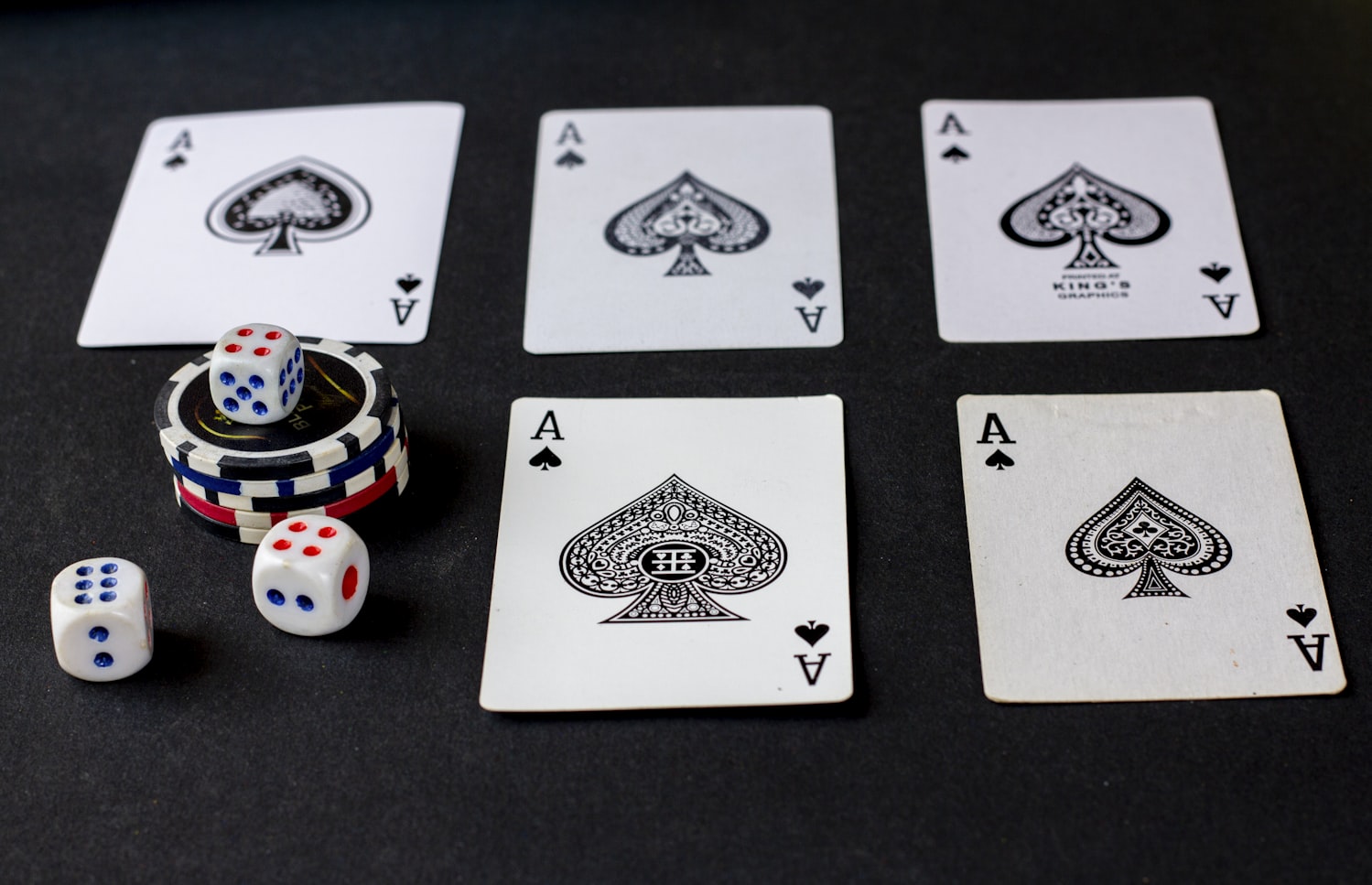
The impact of cognitive biases
Cognitive biases play a significant role in gambling behavior, influencing how individuals perceive risks and rewards. One common bias is the illusion of control, where gamblers believe they can influence the outcome of games, especially those that rely on skill. This misconception can encourage continued play, despite statistical evidence to the contrary. Players may overestimate their abilities, leading to risky behaviors and frequent gambling.
The role of social influence
Social factors significantly shape gambling behavior. Peer pressure and social acceptance can encourage individuals to participate in gambling activities. For many, gambling is a communal experience, often seen as a way to bond with friends or family. This social aspect can create a sense of belonging, making it easier for individuals to overlook the potential negative consequences of their actions.
Moreover, exposure to gambling through social networks can normalize the behavior, making it seem less risky. Individuals who witness friends or loved ones winning can be more tempted to gamble themselves, driven by a desire to experience the same thrill. This social reinforcement can create a cycle of gambling behavior that is hard to break.
The psychological impact of wins and losses
The psychological effects of winning and losing play a crucial role in gambling behavior. A win can trigger feelings of euphoria and satisfaction, reinforcing the desire to continue playing. The brain releases dopamine, a neurotransmitter associated with pleasure, making the experience addictive. On the other hand, losses can lead to frustration and a desire to recoup losses, prompting further gambling to “win back” what was lost.
This cycle of chasing losses can result in individuals gambling more than they initially intended, often leading to detrimental financial consequences. Understanding the emotional responses associated with wins and losses can provide insight into why individuals may struggle with controlling their gambling behavior.
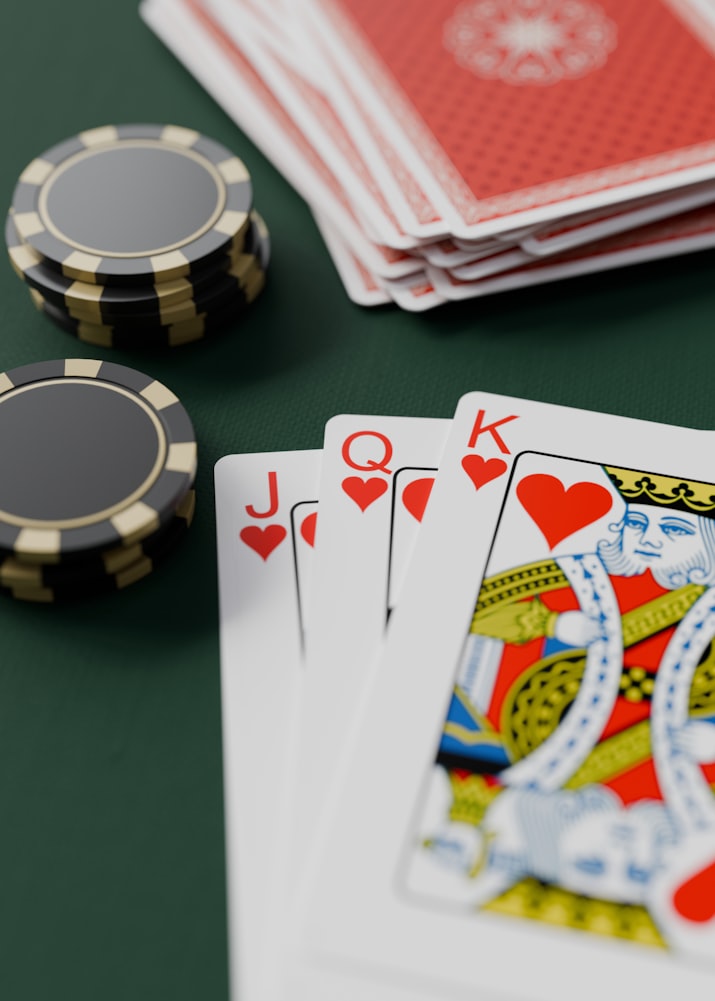
Your safe gambling experience starts here
At our website, we prioritize the safety and well-being of our users. Understanding the psychological triggers behind gambling behavior is essential for fostering a responsible gambling environment. We aim to provide resources and support for those who may be struggling with gambling-related issues.
Another post on the topic: Natural remedies for potency — evidence-based answers to common questions
By promoting awareness of the psychological factors involved in gambling, we hope to empower individuals to make informed decisions. Our platform is dedicated to creating a secure space for users to engage with gambling responsibly, ensuring that the experience remains enjoyable and safe for everyone.
“`