Examining the psychological toll Understanding the hidden effects of gambling
The Allure of Gambling
Gambling, whether online or in-person, possesses a unique allure that can draw individuals in with promises of quick riches and thrilling experiences. This temptation often masks the darker psychological toll that can accompany the activity. People are frequently lured by advertisements showcasing luxurious lifestyles and the excitement of winning, overshadowing the potential for significant loss and emotional distress. Moreover, those seeking entertainment through gaming might find engaging with online casinos for real money particularly enticing.
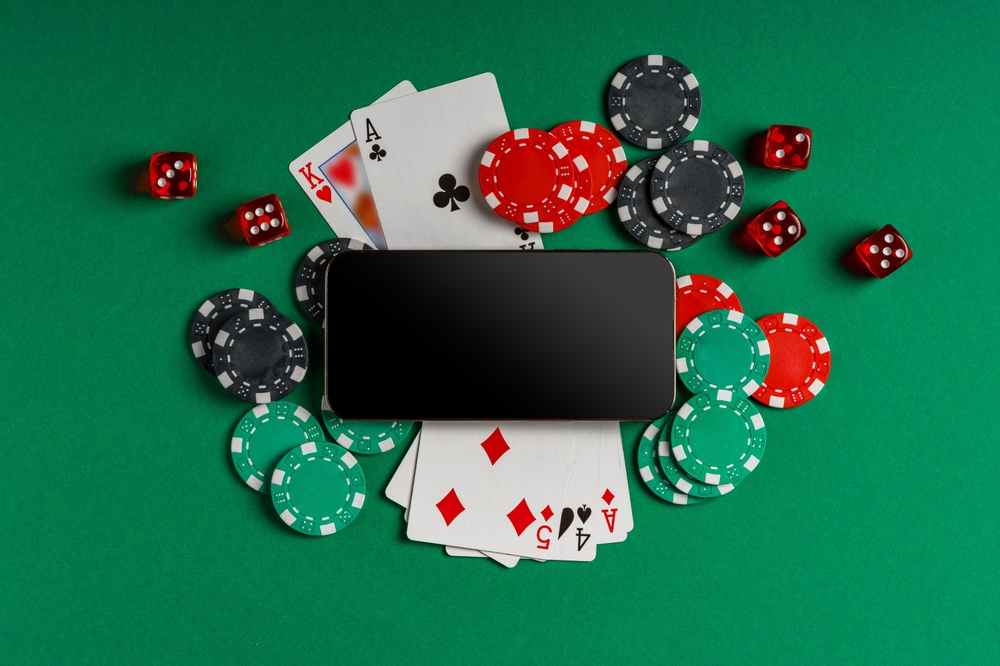
The thrill of taking risks and the anticipation of potential rewards activate pleasure centers in the brain. This neurological response can create a cycle of craving, where individuals chase the high of a win, often ignoring the risks involved. Such dynamics reveal how the psychological facets of gambling can ensnare individuals, leading them to prioritize short-term gratification over long-term mental health.
The Psychological Consequences
The consequences of gambling extend beyond financial loss; they significantly impact mental health. Individuals may experience anxiety, depression, and feelings of isolation as they navigate the highs and lows associated with gambling. The stress of potential loss can exacerbate existing mental health issues or create new ones, leading to a downward spiral that is difficult to escape.
Additionally, the stigma surrounding gambling can prevent individuals from seeking help. Many individuals feel ashamed of their gambling habits, which can perpetuate the cycle of gambling and psychological distress. Understanding these psychological consequences is crucial for both individuals and their loved ones in addressing the hidden toll of gambling.
Online vs. In-Person Gambling
The rise of online gambling has introduced unique psychological effects distinct from traditional in-person gambling. Online platforms offer 24/7 access, which can lead to compulsive gambling behaviors. The convenience of playing from home can diminish the social accountability that in-person gambling often entails, allowing individuals to gamble without the immediate consequences of a public setting.
Moreover, the anonymity associated with online gambling can exacerbate addiction, making it easier for individuals to hide their habits from friends and family. This isolation can intensify feelings of loneliness and despair, increasing the likelihood of developing severe psychological issues related to gambling.
Understanding and Addressing Addiction
Recognizing gambling addiction is vital for fostering recovery and promoting mental health. Individuals suffering from gambling addiction often display denial, making it challenging for them to acknowledge the problem. Awareness of the psychological toll associated with gambling can empower individuals to seek help and support from professionals.
Various therapeutic approaches, such as cognitive behavioral therapy, can be effective in addressing gambling addiction. These methods can help individuals reframe their thinking, develop healthier coping mechanisms, and ultimately regain control over their lives. By prioritizing mental health and well-being, individuals can learn to navigate the complexities of gambling more responsibly.

Promoting Awareness and Support
Websites and organizations dedicated to raising awareness about gambling’s psychological toll play a crucial role in fostering understanding and providing support. These platforms can offer valuable resources for individuals struggling with addiction and educate the public about the hidden effects of gambling.
By promoting open conversations and sharing personal stories, these websites can help reduce the stigma around gambling addiction. Their mission to support affected individuals and their families is essential in combating the psychological consequences of gambling and fostering a healthier approach to this popular pastime.